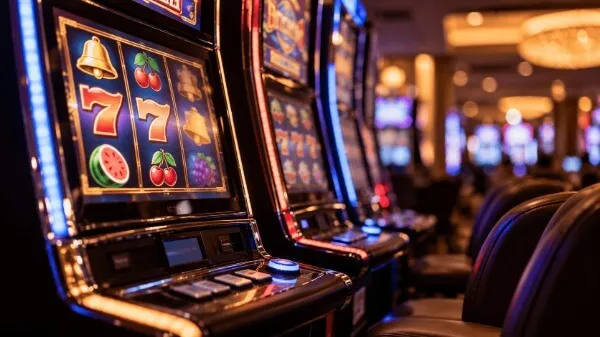











Liberia has introduced a wide-ranging overhaul of its gambling regulations, bringing new licensing fees, stricter advertising rules, and a formal framework for prediction markets under a single regulatory structure.
The changes were adopted through Regulation No. 005 of 2026 by the National Lottery Authority (NLA) and are aimed at modernising oversight of the country’s gaming sector.
Among the most notable changes are the introduction of an $80,000 licence fee for online casino operators and a separate $80,000 licence for prediction market operators. The new framework also establishes minimum capital requirements, a central monitoring system for gambling activity, and new responsible gambling measures.
The regulator said the reforms reflect the growing role of digital gambling products and mobile technology in Liberia.
Peter L. Solo, Director General of the NLA, said, “The gaming sector is changing rapidly, with digital platforms, online lottery services, and mobile-money ecosystems reshaping how people play.”
He added that the regulation is intended to create “a modern, transparent, and enforceable framework” for the industry.
Online casino operators to enter framework
One of the biggest changes in the new regulations is the formal inclusion of online casino operators in Liberia’s licensing structure.
Under the previous fee schedule, there was no specific licence fee for online casino and slot operators. That changes under Regulation 005, which sets the cost of both an online casino licence and a prediction market licence at $80,000.
Sports betting fees remain unchanged at $90,000 for both online operators and physical licences, while additional county licences continue to carry separate charges.
Several administrative fees are also increasing. The application fee rises from $400 to $500, late renewals jump from $500 to $1,500, and the minimum penalty for regulatory breaches increases from $3,000 to $5,000.
The framework also revises several land-based fees. A casino licence in Montserrado covering up to 25 machines now costs $110,000, up from $100,000. Operators outside the county pay $50,000 per county.
New monitoring system and tougher advertising controls
A major part of the reform is the creation of a Central Lottery Management System (CLMS), which will allow the NLA to monitor gaming transactions in real time, a move that has become common in the African market as regulators look to recapture a large share of the 77% market controlled by illegal operators, according to GCI reports.
Last month, the Namibia Gambling Board opened bids for a monitoring system, and it was also a standout of Mauritius’s August gambling reform.
The regulator is also introducing stricter advertising requirements. Operators cannot market in any medium where more than 30% of the expected audience is under 18, and digital ads must be age-gated before anyone clicks through to register or buy. Every advertisement must include responsible gambling messaging and information on player support services.
Additional restrictions apply to sponsorships and influencer marketing. Paid influencers will be required to disclose promotional relationships, while operators must ensure advertising is directed primarily at adults.
Liberia looking to lead prediction market charge in Africa
While many African markets are still deciding how to treat prediction markets, Liberia has chosen to regulate them directly.
Under the new framework, operators can only offer prediction market products through a dedicated licence or a partnership approved by the National Lottery Authority. The new licence comes with an $80,000 fee and a minimum paid-up capital requirement of $500,000.
Liberia has also introduced limits on what can be traded, banning contracts linked to the death of a named individual, criminal activity, and Liberian elections.
The approach stands out in a region where regulators are still debating how prediction markets should fit into existing gambling and financial rules.
In South Africa, for example, industry groups like the South African Bookmakers Association have called for such products to be banned until a dedicated framework is created, raising concerns around integrity, money laundering and taxation.
Nigeria has yet to introduce prediction market-specific rules, with the Lagos State Lotteries and Gaming Authority (LSLGA) listing the country’s biggest operator, Bayse, in its unlicensed operators list. Kenya and Ghana also lack dedicated frameworks, and other regions like Mauritius, Ethiopia, and even Namibia, with planned gambling reforms, have completely ignored the sector.
The rules are already in force. The regulation was adopted on 29 April 2026 and became effective following its publication in Liberia’s Official Gazette on 1 October 2026 and subsequent signature into handbills by the Minister of Foreign Affairs.